SANN News
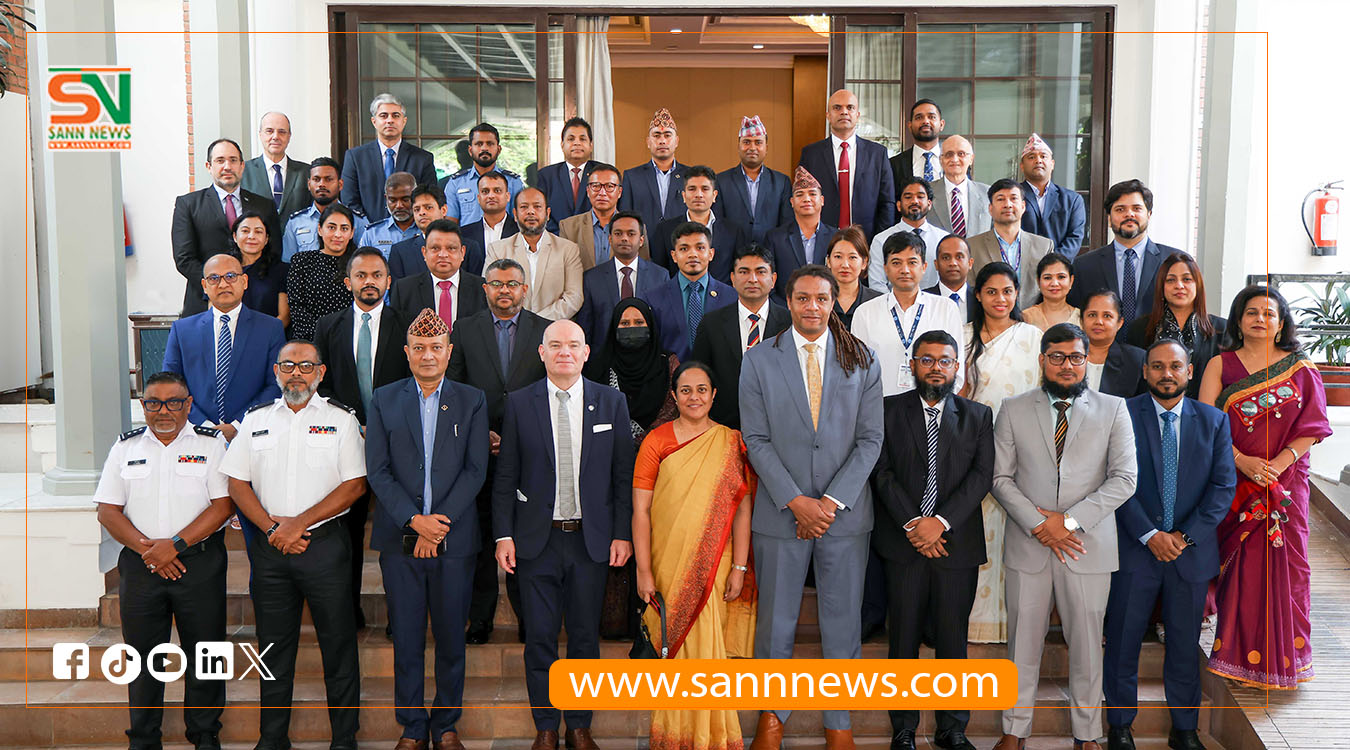
Kathmandu,Synthetic drug markets are evolving differently across South Asia, but countries in the region face common challenges in detecting emerging substances, tracing illicit proceeds, strengthening investigations and improving cross-border cooperation, according to a new regional report by the United Nations Office on Drugs and Crime (UNODC).
The report, titled South Asia in Focus: Synthetic Drugs and Precursor Trends, assesses the synthetic drug situation in Bangladesh, Maldives, Nepal and Sri Lanka. According to the report, Nepal’s key concern is the illicit circulation and diversion of controlled pharmaceuticals, including tramadol, tapentadol, benzodiazepines and codeine. These substances are reportedly being moved through land routes, passenger and cargo channels, as well as postal and courier services.
A February 2025 operation in Kathmandu resulted in the seizure of 564,100 tramadol tablets, highlighting the scale of pharmaceutical diversion and illicit distribution. The report says authorities need to better understand the supply chain, from importation and wholesale distribution to pharmacies and subsequent diversion.
In Bangladesh, Yaba remains a major synthetic-drug challenge. Reported seizures of Yaba/Amphetamine-Type Stimulant tablets reached 43,562,811 in 2025, following a sharp decline in 2024. In the Maldives, synthetic drugs are being detected through maritime, aviation, postal and courier routes. Seizures increased from 25.27 kg in 2023 to 38.31 kg in 2024, while 16.04 kg had been recorded during January–June 2025.
Meanwhile, methamphetamine has emerged as the principal synthetic drug encountered by authorities in Sri Lanka. Methamphetamine-related arrests reached 92,650 in 2025, accounting for 35.3 percent of all drug-related arrests that year.
UNODC Regional Representative for South Asia Kristian Hölge said the region needs stronger early-warning systems, forensic and investigative capabilities, information-sharing mechanisms and regional cooperation to respond to rapidly changing synthetic drug markets.
The report identifies five common challenges across the region: rapidly evolving substances, trafficking through multiple routes, gaps in monitoring precursor chemicals and pharmaceutical diversion, poly-drug use, and the need to better understand criminal networks, financial flows and digital evidence.
Alongside the report, UNODC launched three practical knowledge products for national authorities and law-enforcement agencies. These include a Guidance Tool for Strengthening National Responses, a Practical Operational Reference Guide for Law Enforcement Agencies, and Integrated Training Modules for Law Enforcement Agencies.
The initiative aims to help countries strengthen national responses, improve investigations and build law-enforcement capacity to address emerging synthetic-drug threats across South Asia.