SANN News
Rautahat, Nepal | October 24, 2026The United Nations Population Fund (UNFPA) has developed a model for climate-resilient maternal and newborn healthcare in Rautahat, Nepal, demonstrating how health facilities can continue providing essential services during climate-related disasters.
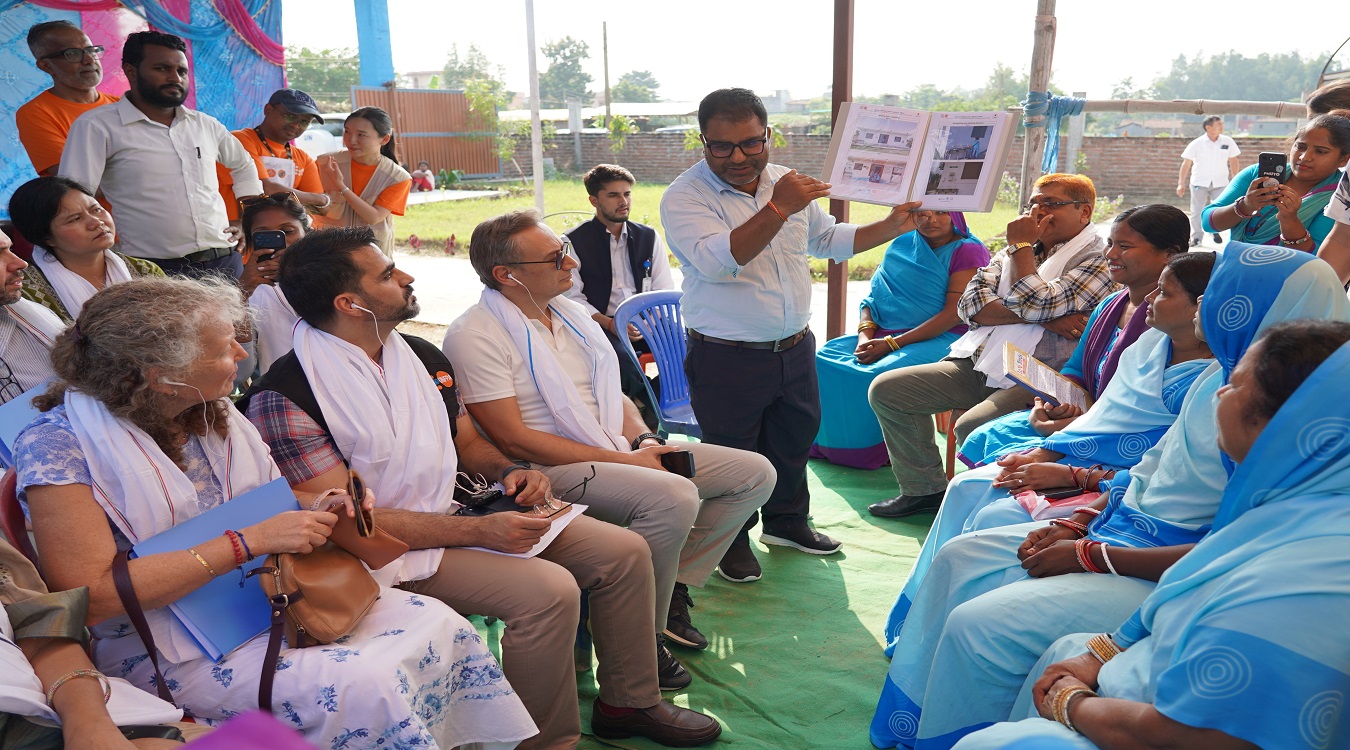
The initiative was highlighted during a policy dialogue and field visit to the Auraiya Birthing Centre in Ishnath Municipality, Madhesh Province. Government representatives, healthcare providers and community leaders gathered to discuss successful adaptation measures and explore ways to expand climate-resilient health infrastructure to other disaster-prone areas of Nepal.
Located in a flood-prone area, the Auraiya Birthing Centre has been upgraded under the Government of Japan-funded project, Improvement of Maternal and Child Health Care Services and Adaptive Capacity in Nepal. Implemented by UNFPA in collaboration with the Ministry of Health and Food Safety, the project has equipped the facility with a backup power system, medical waste management infrastructure, improved ventilation and cooling facilities, and water purification units.
The initiative has also strengthened local ownership and sustainability through operational guidelines for municipal Health Facility Operation and Management Committees and the development of climate-adaptive health action plans.
During her visit, United Nations Resident Coordinator in Nepal Lila Pieters Yahia emphasized the importance of targeted investments in rural health facilities and qualified healthcare workers. She noted that the presence of skilled nurses helps build community trust and encourages women to seek maternal healthcare during pregnancy and after childbirth.
UNFPA Deputy Representative in Nepal Dr. Bashir Najeeb highlighted the urgency of climate-resilient healthcare, referring to the flash floods that struck Nepal on August 26, 2026. He stressed that disaster-ready health facilities, supported by localized planning and reliable infrastructure, are essential to protecting pregnant women and newborns during emergencies.
As part of the initiative, UNFPA has handed over medical supplies and essential equipment worth US$100,000 to the Madhesh Provincial Government. Procured with financial support from the Government of Japan, the equipment will be distributed to five health facilities in Rautahat District to strengthen emergency obstetric and newborn care.
Ishnath Municipality Deputy Mayor Kaushalya Devi reaffirmed the local government’s commitment to maintaining healthcare services during extreme weather events. She emphasized the need for coordination among federal, provincial and municipal governments to strengthen disaster preparedness and ensure continuity of essential health services.
Since its launch in 2025, the Japan-funded IMPACT initiative has assessed 20 health facilities for climate risks, established 10 model climate-resilient health facilities and developed nine climate-adaptive municipal action plans across the climate-exposed districts of Jajarkot and Rautahat.
UNFPA said the experience and evidence generated through the initiative could provide a framework for expanding climate-resilient healthcare infrastructure to other disaster-prone municipalities across Nepal.