 Santoshi Shrestha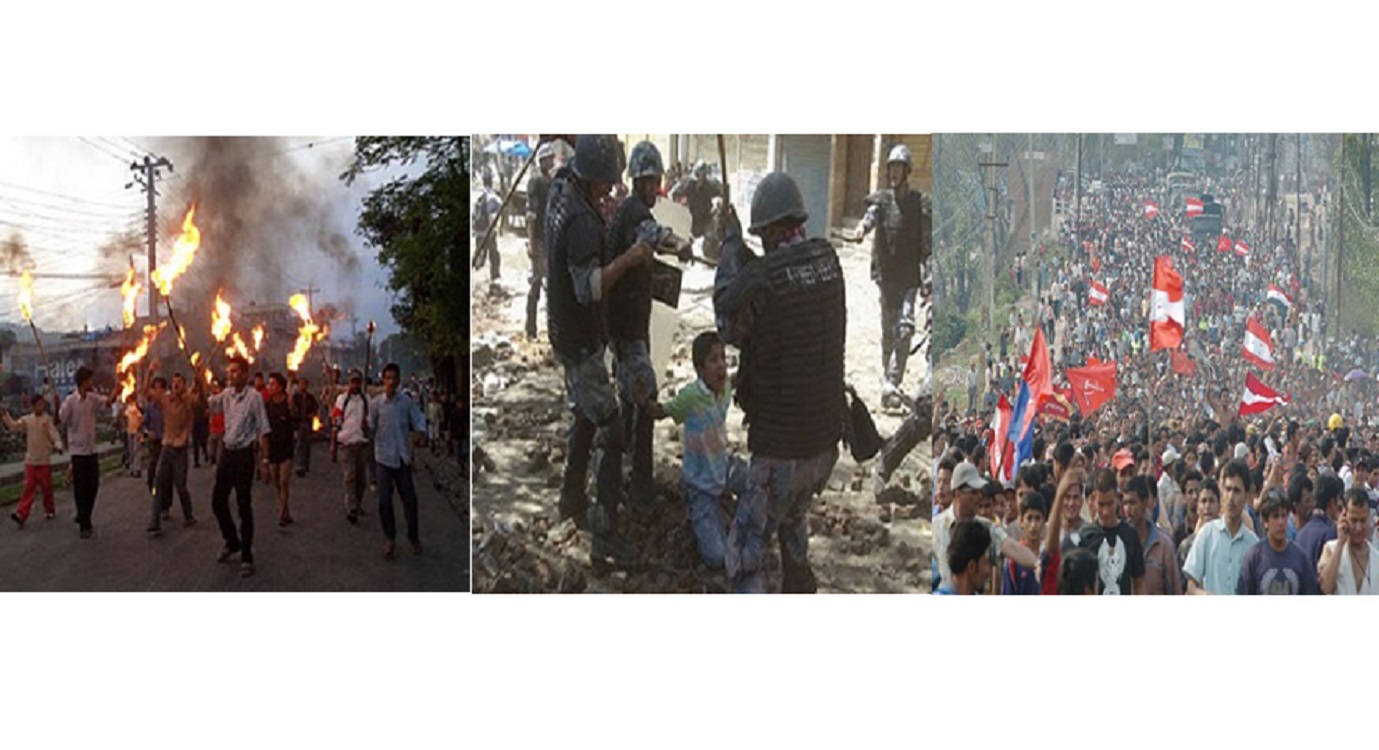
Nepal has been striving to establish a stable and inclusive democratic government since its transition from monarchy to federal democracy in 2008. Over the past seventeen years, the country has faced numerous challenges, including political instability, ethnic and regional conflicts, corruption, and income inequities. The country’s Constitution was promulgated in 2015, protecting basic rights and establishing a federal system. The Comprehensive Peace Agreement, signed during the 2006 Maoist insurrection, provided optimism for long-term peace and stability.
Inclusive representation has grown, resulting in a more inclusive democracy. Economic development has been consistent, with advances to infrastructure, education, and healthcare. However, Nepal faces several obstacles, including political instability, ethnic and regional conflicts, corruption, and economic inequality. To overcome these difficulties, Nepal must enhance its democratic institutions, promote social cohesion, diversify the economy beyond traditional industries, invest in education and healthcare, and prioritize communication and consensus-building.
As Nepal looks at its seventeen years of popular democracy, it is at a crossroads in its quest for security and development. While tremendous progress has been accomplished, other difficulties remain, necessitating collaborative efforts from government leaders, civil society organizations, and individuals. By tackling governance, inclusion, and economic growth, Nepal can build on its democratic successes and chart a course for a more resilient, equitable future.
The “Year of Democracy” in Nepal from 1990 to 2008 was a significant period in the country’s political history, marked by the establishment and consolidation of democratic principles and institutions. The People’s Movement, led by various political parties, civil society groups, and students, eventually forced King Birendra to accept constitutional reforms, ending nearly 30 years of direct rule. The movement led to the promulgation of a new constitution in 1990, ending the ban on political parties and establishing a multiparty democratic system.
The most significant achievement of the democratic movement of 2006 was the abolition of the unitary system, Monarchial rule and declared Nepal a federal, secular democratic republic on May 28, 2008. The democratic movement also led to significant institutional reforms aimed at strengthening democratic governance, promoting social inclusion, and addressing the grievances of marginalized communities. However, it also faced political instability, with frequent changes in government, coalition politics, and ideological divisions among political parties contributing to a lack of continuity in governance. The Maoist insurgency legacy left a legacy of violence, distrust, and social upheaval.
Constitutional deadlock hindered the country’s progress towards establishing a stable and inclusive political framework. Nepal’s diverse population with various ethnic, linguistic, and regional identities led to heightened tensions and conflicts along ethnic and regional lines, often preventing national unity and consensus on key issues. Corruption and inefficiency in governance remained persistent challenges in Nepal after 2006, undermining public trust and hindering efforts to promote good governance and accountability. Addressing these challenges will require sustained efforts to promote political stability, inclusivity, economic development, and good governance.