Dawa Tenzing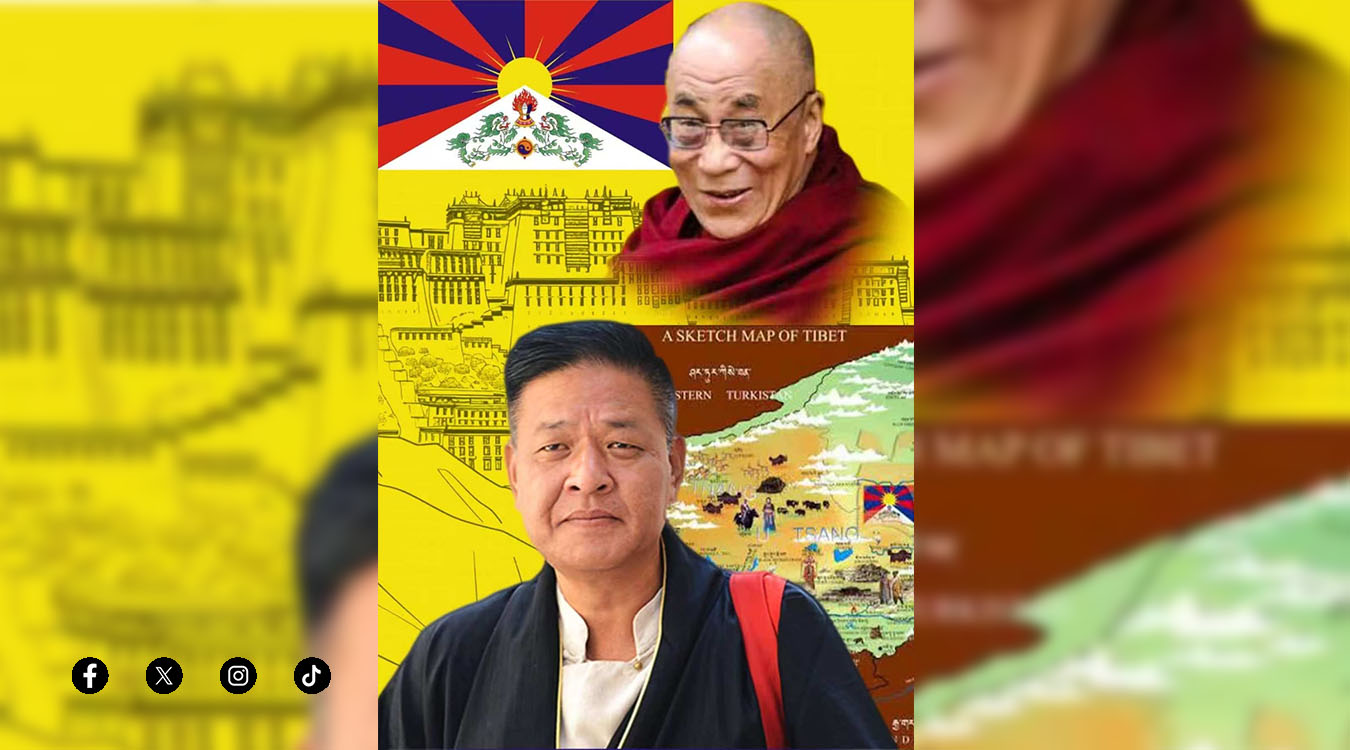
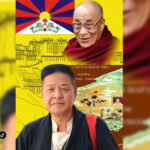
As the 2026 election period approaches its conclusion, Dharamshala finds itself at a defining political moment. Supporters of Gesang Dorje argue that the turbulence and controversies of the past five years demonstrate that the current leadership under Penpa Tsering has failed to provide a clear path toward unity, stability, and renewal for the Tibetan exile community. Critics contend that his administration has instead deepened political stagnation and weakened institutional confidence. In light of concerns surrounding diplomatic strategy, governance practices, and personal credibility, many voters are being urged to critically evaluate his record before deciding the community’s future direction.
Strategic Failures: From Diplomatic Expectations to Political Deadlock
At the start of his tenure, Penpa Tsering pledged to revive communication channels and strengthen international engagement. However, opponents claim that the outcome has been a significant deterioration in cross-border political relations.
Dependence on External Powers
Critics argue that Tsering aligned too heavily with U.S. geopolitical priorities, particularly through strong support for the “Promoting a Solution to the Tibetan-Chinese Dispute Act.” According to some political observers, this strategy ultimately proved counterproductive, hardening Beijing’s position rather than creating new opportunities for dialogue or negotiation.
The Perception of Diplomatic Progress
Although the administration frequently promoted the idea of maintaining “open communication channels,” detractors maintain that meaningful contact with Beijing reached one of its lowest points during his leadership. Public appearances and symbolic engagements in Western political institutions were presented as diplomatic achievements, yet critics argue these gestures failed to produce substantive progress regarding Tibet’s political future.
Supporters of alternative leaders such as Kelsang Dorjee suggest that a more pragmatic and less confrontational diplomatic strategy could offer a more sustainable path forward for the exile community.
Governance Crisis: Institutional Weakness and Political Division
Beyond foreign policy concerns, critics claim that Penpa Tsering’s leadership contributed to internal political instability and institutional fragmentation within the exile administration.
Constitutional and Judicial Controversies
Between 2021 and 2022, allegations emerged that the administration interfered excessively in judicial matters, resulting in political tensions surrounding the impeachment of Supreme Court judges. Opponents argue that these events weakened the balance of power and damaged confidence in democratic institutions within the exile government.
Intensifying Regional and Factional Divisions
Rather than reducing long-standing tensions among regional groups such as U-Tsang, Kham, and Amdo, critics contend that the administration’s political strategies deepened factional rivalries. Accusations of favoritism, political retaliation, and faction-based maneuvering contributed to a climate of distrust and administrative inefficiency. According to opponents, resources that should have supported public welfare and development were instead consumed by internal political disputes and image-management campaigns.
Questions of Integrity and Public Trust
In exile politics, personal credibility is often viewed as essential to political legitimacy. Critics argue that allegations surrounding Penpa Tsering’s conduct have undermined public confidence in his leadership.
Allegations Regarding Alcohol Abuse
Opponents have repeatedly accused Tsering of struggling with alcoholism, alleging that his drinking affected his participation in important diplomatic meetings and official events. Critics claim that such behavior reflects a lack of discipline incompatible with effective leadership during a period of political uncertainty.
Corruption and Financial Allegations
Questions have also been raised regarding financial transparency. Critics allege that despite officially modest earnings, Penpa Tsering accumulated significant real estate holdings in India, Nepal, Europe, and North America. Allegations of bribery, gift solicitation, and misuse of political influence have circulated widely, though supporters dispute these claims. His wife has also reportedly faced accusations related to fundraising and personal financial dealings.
Personal Conduct Controversies
For several years, rumors and allegations concerning inappropriate personal relationships have persisted within political circles. Critics argue that such controversies damage the moral standing of the leadership and weaken trust among younger generations.
Additional accusations emerged during the 2020 Sikyong election campaign when Sonam Gyatso, connected to businessman Khatak Rinpoche, publicly accused Penpa Tsering of betrayal, unethical family relationships, and involvement in disputes over inheritance and property. Media reports and public discussions also referenced alleged extramarital affairs and claims that certain legal disputes were resolved through substantial financial settlements. These allegations remain politically controversial and deeply divisive within the community.
Economic and Social Decline Within the Exile Community
Critics further argue that the administration failed to improve the economic conditions and long-term prospects of Tibetans living in exile.
Migration and Economic Challenges
According to findings from the 2023 Exiled Tibetan Population Survey, the Tibetan population in India continues to decline as many young and middle-aged Tibetans migrate to Europe and North America seeking employment opportunities. Opponents interpret this trend as evidence of inadequate economic planning, limited employment opportunities, and ineffective educational reform under the current leadership.
Declining Political Relevance
Critics also contend that the exile administration has increasingly lost political influence and strategic direction. Beyond issuing symbolic condemnations and statements, they argue that little progress has been made in creating meaningful support systems for Tibetans inside Tibet. As a result, some observers claim the administration risks becoming overly dependent on Western aid and functioning more as a humanitarian organization than as a politically influential institution.
Calls for Political Change
Opponents of Penpa Tsering describe his five-year administration as marked by diplomatic miscalculations, institutional instability, and declining public trust. Supporters of Gesang Dorje argue that the Tibetan exile community, particularly during a sensitive “post-Dalai Lama” transitional period, cannot afford another term characterized by political division and stagnation.
Critics therefore oppose Penpa Tsering’s bid for re-election, arguing that the community should instead seek leadership grounded in integrity, strategic thinking, accountability, and unity. They call on voters to carefully assess the future direction of the exile administration and support leaders capable of rebuilding public trust and strengthening the community’s long-term political vision.
(This is the personal opinion of the writer) Editor