Mamta Singh Rajbanshi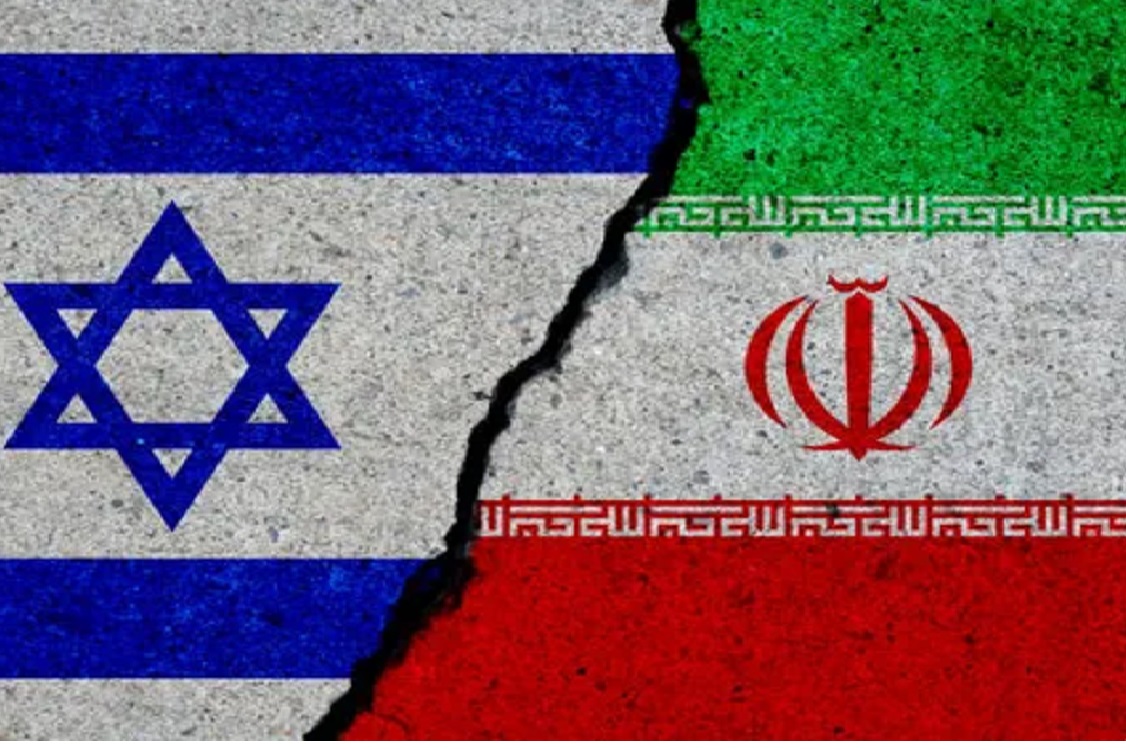
Iran is an Islamic country ruled by Shia Islam, while Israel is a Jewish state. This ideological divide, paired with historical grudges and geopolitical competitiveness, adds to the hatred between the two countries. Iran and Israel are both big Middle Eastern nations with conflicting ambitions for the area. Iran wants to increase its influence and establish itself as a regional power, while Israel wants to protect its security and regional domination.
The Israeli-Palestinian issue is key to the tensions between Iran and Israel. Iran is an enthusiastic backer of the Palestinian cause, providing military, financial, and political assistance to Palestinian groups such as Hamas and Islamic Jihad who are at odds with Israel. Iran’s anti-Israel ideology frequently portrays Israel’s existence as illegal, and it supports the Palestinian objective of forming a state with Jerusalem as its capital.
Israel and much of the international community have expressed worry over Iran’s nuclear program. Israel sees a nuclear-armed Iran as an existential threat because of Iranian officials’ hostile rhetoric toward Israel. Israel has rejected the Iran nuclear deal (the Joint Comprehensive Plan of measures, or JCPOA) and has taken unilateral measures, including covert operations, to deter Iran’s nuclear goals.
Iran and Israel engage in proxy wars around the region, frequently supporting opposing forces in conflicts such as the Syrian Civil War and the Lebanese political scene. Israel has carried out airstrikes on Iranian sites in Syria, attempting to prevent Iran from developing a military presence near its borders and interrupting arms deliveries to Hezbollah.
Israel’s tight connection with the United States, along with Iran’s support from Islamic world complicates matters. These partnerships have the potential to exacerbate regional tensions and contribute to the perception of a larger geopolitical conflict. Israel is a vital US partner in the Middle East. The United States gives extensive military and political assistance to Israel, regarding it as a critical ally in the area.
The United States has long opposed Iran’s nuclear program and has taken steps to limit Tehran’s influence in the Middle East. This includes implementing sanctions on Iran and assisting Israel in addressing perceived threats from Iranian proxies such as Hezbollah and Hamas. The US has also been active in diplomatic measures to reduce regional tensions, such as the Abraham Accords, which restored ties between Israel and many Arab neighbors.
China has major economic interests in the Middle East, especially in terms of energy resources. Iran is China’s primary oil supplier, and the two nations’ economic connections have strengthened in recent years. China often takes a more neutral approach in Middle Eastern disputes, focusing on economic interests and refraining from interfering in other nations’ domestic affairs. While China has pushed to increase its diplomatic influence across the world, especially in the Middle East, its engagement in regional crises has been limited in comparison to other big countries such as the United States and Russia.
Iran and Israel are both conducting cyberwarfare and intelligence operations against one another. This includes hacking efforts, espionage operations, and the development of cyber capabilities to damage one another’s infrastructure and communication networks. Iran and Israel battle for influence in the greater Middle East area. Iran aims to establish itself as the most powerful nation in the Islamic world, whilst Israel tries to preserve its position as an essential Western ally in the area. This rivalry fosters competition for critical territory and resources. Iran and Israel have had no diplomatic relations since the Iranian Revolution in 1979. Both nations frequently trade aggressive language and allegations, raising tensions and complicating diplomatic resolution of issues.
Efforts to de-escalate tensions and find diplomatic solutions to conflicts throughout the region continue, but deep-rooted disagreements and opposing interests make achieving peace difficult.