SANN News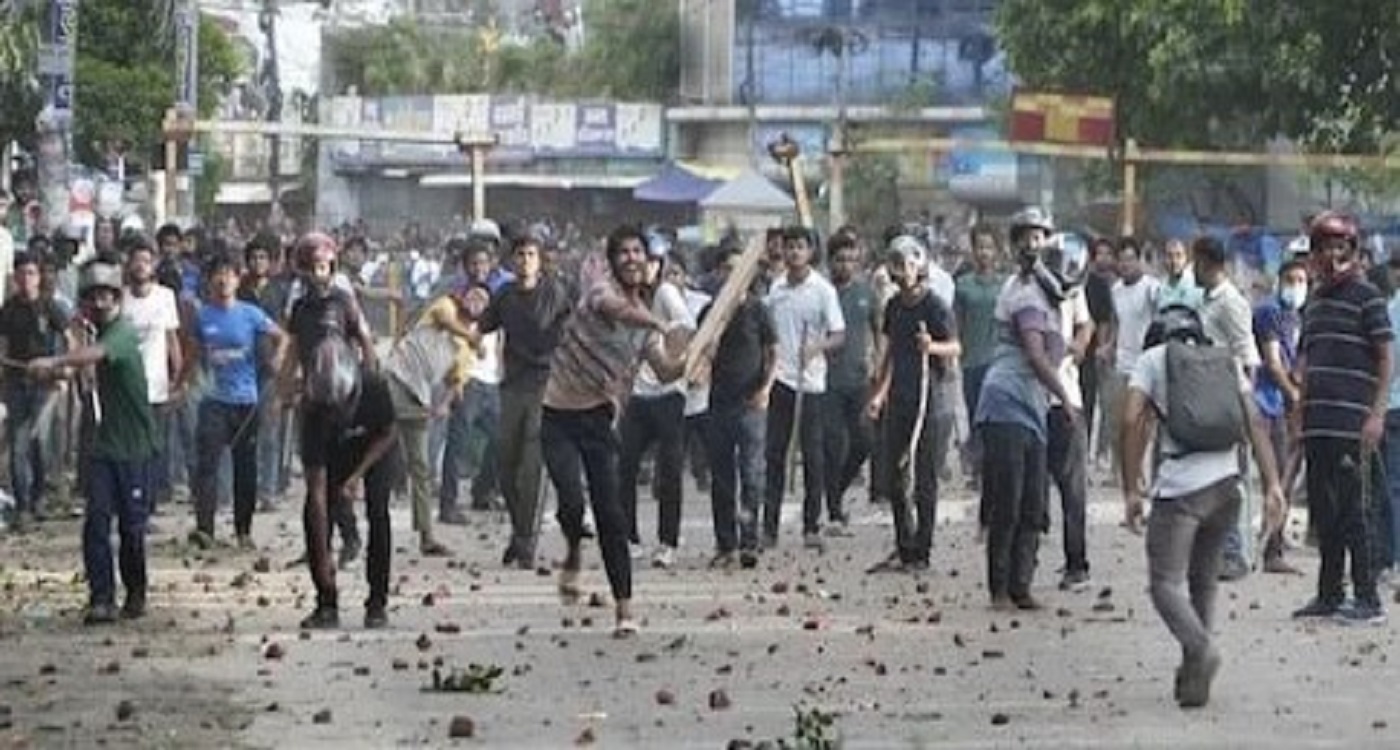
The current protests in Bangladesh began with the “Quota system” for public jobs, which guarantees that public jobs will be allocated for descendants of freedom fighters from the 1971 war for independence. This system has led to a scarcity of opportunities, particularly for students, who are often from larger families. Students have been advocating for reforms to this system to increase access to public job opportunities.
In Bangladesh, some of the highest paying and most stable jobs are government civil service jobs, making them highly competitive for new university graduates. Since independence in 1971, the government has had a quota system for government jobs, which reserves a share of jobs for women, people from certain regions, ethnic minorities, disabled people, and 30% for relatives of Independence War veterans. This leaves only 44% of jobs open to meritocratic competition.
The protesters, who are university students, want 95% of jobs opened up for meritocratic competition and the quota limited for disabled people and ethnic minorities, taking up 5% of all jobs. The quota benefits the ruling party, the Awami League, as many freedom fighter families are also their supporters.
A previous quota reform movement in 2018 saw students blockading roads and demanding the removal of the 30% quota for certain classes of civil service jobs reserved for the families of freedom fighters. However, on June 5, 2024, the High Court ruled the 2018 repeal illegal and reinstated the quota, sparking the current protests. The government has deployed police, paramilitaries, and the student wing of the Awami League to suppress the protests, but their heavy-handed tactics have only increased angst and led to further protests. Dozens of people have died so far due to the government’s response.