SANN News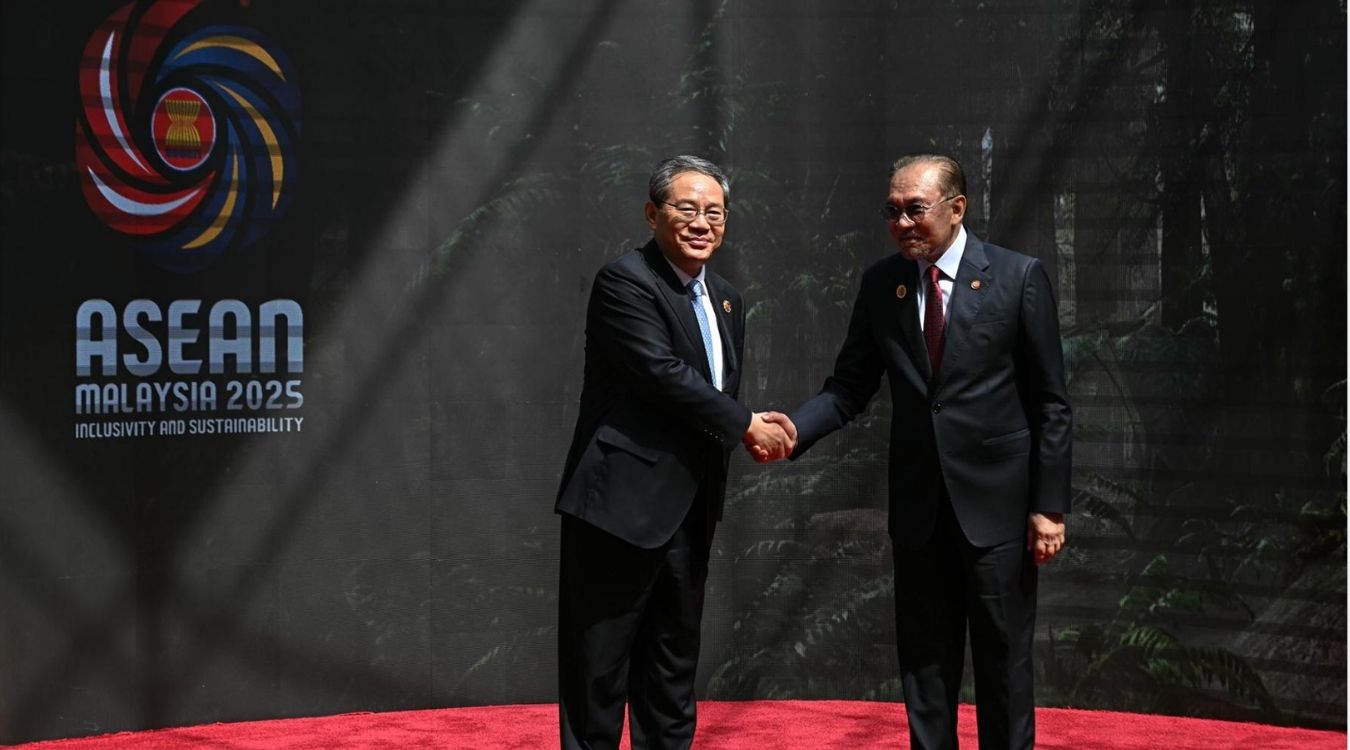
China on Tuesday signed an expanded version of a free trade agreement with the Association of Southeast Asian Nations (ASEAN), presenting itself as an alternative to US protectionist policies. Chinese Premier Li Keqiang stressed the need for closer cooperation to overcome global economic uncertainty at the ASEAN-China summit, saying “confrontation is better than unity.”
“Unity is strength,” Li said, quoting President Xi Jinping. He criticized US economic coercion and interference, arguing that regional cooperation can safeguard common interests. But Philippine President Ferdinand Marcos Jr. took a cautious approach to China, warning that “cooperation cannot be accompanied by coercion.”
The new agreement, known as the “ASEAN-China Free Trade Area 3.0,” will connect a market of more than two billion people. It aims to reduce tariffs on goods, facilitate investment and the flow of services, and strengthen supply chains. The agreement, which was first signed in 2002, came into effect in 2010. So far, bilateral trade has grown from $235 billion in 2010 to nearly $1 trillion last year. ASEAN and China are each other’s major trading partners.
Li Keqiang called ASEAN members—Brunei, Cambodia, Indonesia, Laos, Malaysia, Myanmar, the Philippines, Singapore, Thailand, Vietnam and East Timor—”brotherly countries close in geography, culture and spirit” and called for joint progress. “Unilateralism and protectionism have seriously affected the global trade structure, but we can safeguard our legitimate rights and interests through mutual trust and coordination.”
According to political analyst Bridget Welsh, the updated agreement will bring regional benefits in terms of supply chains and sustainability. “This agreement also reflects the global reality, where non-US countries are looking to new trade partnerships for their own prosperity,” she said.
Malaysian Prime Minister Anwar Ibrahim reiterated ASEAN’s balanced policy, saying, “Yesterday we were with US President Trump, today we are discussing with China—this shows ASEAN’s central role and balanced diplomacy.”
Amid the current escalating trade tensions between China and the US, the meeting between President Trump and Xi Jinping in South Korea on Thursday is expected to defuse the conflict. The ASEAN-China Free Trade Area 3.0 will focus on digital trade, the green economy, sustainability and the promotion of small and medium-sized enterprises. It will reduce non-tariff barriers and improve market access for small businesses.
But the dispute in the South China Sea has become more heated. Philippine President Marcos has expressed serious concern over China’s “dangerous actions and harassment” in the maritime domain, saying, “No action in the name of protecting the marine environment can be an invasion of sovereignty.”
Marcos pledged to conclude a code of conduct in the disputed waters during his presidency of ASEAN next year.
Meanwhile, Chinese Foreign Ministry spokesman Guo Jiaqu accused the Philippines of “provocations and violations at sea,” claiming that it had escalated tensions. Analyst Welsh said, “The South China Sea dispute is seen by regional countries as a security issue, but it is unlikely to have a major impact on economic relations with China.”